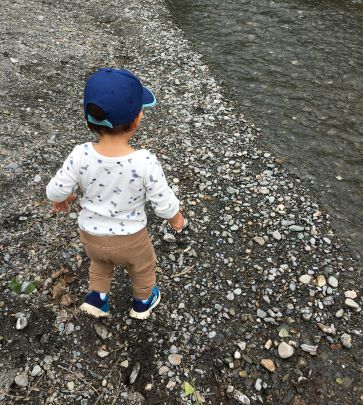
Being home with Sammy for the first two years of his life, I just assumed that he would be more proficient in English than German, at least until he started daycare.
Turns out I was kind of wrong.
I guess it’s because it’s the local language, so although he tends to hear me speaking English most of the day, German is the thing that’s on in the background all the time. He also spends plenty of time with his grandparents, who obviously speak German to him, and I’m also in the habit of speaking German when they’re around so they understand me.
Continue reading
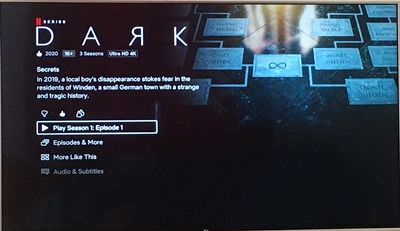
 The German language is known for its long words. Without even going into the ridiculously long words (which to be honest nobody uses anymore anyway) try Entschuldigung instead of simply saying ‘sorry’ or Kniebeuge for ‘squat’. Though in all honesty, part of the problem is that the German words just don’t fit well in our English-speaking mouths – they come out all clumsy and end up sounding a lot longer than they do when spoken by a native speaker.
 an aussie in austria