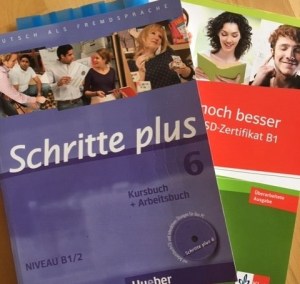
 The start to my German learning was intense, with private lessons a couple of times a week for the first year I was unemployed in Austria. After I passed the A1 test and got a full time job, I also dropped my lessons, but I dutifully continued studying, almost daily, on a strict regime that I stubbornly adhered to (well, mostly).
My plan was to work through the necessary six books in my own time and reach B1/2 level. It was partly because I needed a goal to work toward, and partly because I’d heard that B1 was necessary at some point for my living in Austria arrangement.
 One of the great irritations of German, apart from having genders and weird pluralising and everything else that goes on… is formal speech. You could say it is a little similar to English… but only in a very subtle way. In English, it’s normal to refer to someone older than you as Mrs or Mr so-and-so… until there comes a time where they tell you it’s fine to call them by their first name. But come on, that’s simple!
 German is an angry-sounding language. You know it, I know it. When Austrians get together over dinner they generally start speaking in their very loud, angry voices.
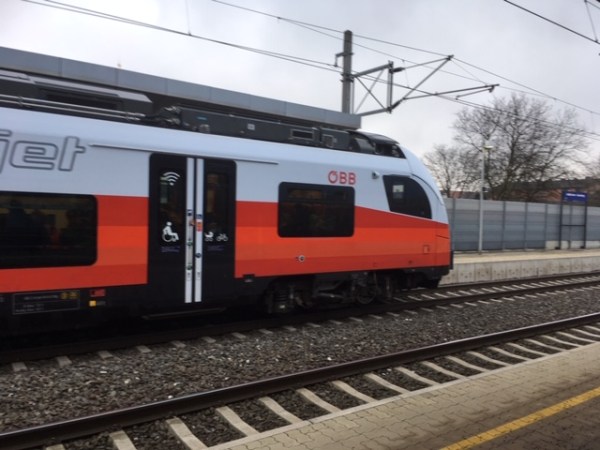 On the day of my work Christmas party this year, it came about that I needed to get from my office into the city on my own steam – eg. sans car. I asked around, but couldn’t find anyone that was heading there at the time I wanted.
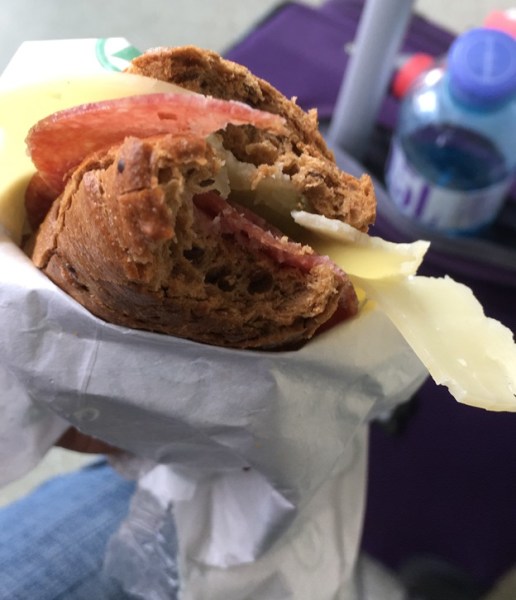 When I first came to Austria I got extremely excited by the prospect of ordering a sandwich at the deli. Yes, yes, I know… the bubble I live in is a strange and wonderful one. But back to the story – at most supermarkets, you can grab yourself a roll (be it white, round, long, or if you’re like me, a Kornspitz), then ask the staff behind the counter to fill it with ham, cheese and gherkins.
 Short and bitter.
 The German language is known for its long words. Without even going into the ridiculously long words (which to be honest nobody uses anymore anyway) try Entschuldigung instead of simply saying ‘sorry’ or Kniebeuge for ‘squat’. Though in all honesty, part of the problem is that the German words just don’t fit well in our English-speaking mouths – they come out all clumsy and end up sounding a lot longer than they do when spoken by a native speaker.
 an aussie in austria